
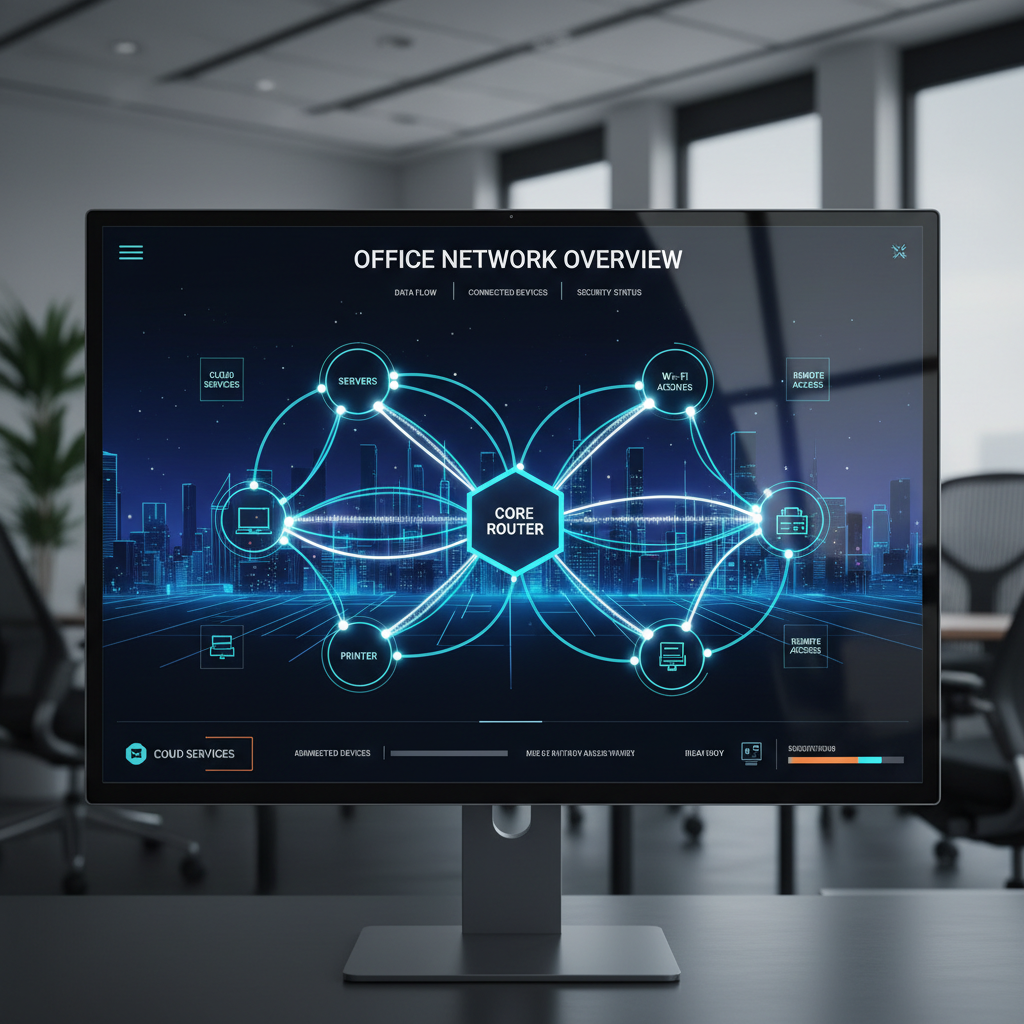
Prioritizing VoIP security Canadian business 2026 requires implementing multi-factor authentication, end-to-end encryption, and real-time monitoring to defend against evolving threats like toll fraud and AI-powered voice scams. Businesses should also focus on regular software patching and employee training to mitigate the risks of social engineering and unauthorized SIP access.
As we move into 2026, Canadian businesses face a digital landscape where standard firewalls are no longer sufficient to protect critical communication channels. Cybercriminals are increasingly targeting VoIP infrastructure to intercept sensitive data; exploit hardware vulnerabilities; and disrupt daily operations, leaving firms vulnerable to both financial loss and regulatory scrutiny. At Alpha Telecom Services, we see firsthand how outdated security protocols can jeopardize a company's reputation and its bottom line. This article explores the essential protection strategies every Canadian business must adopt to stay ahead of these emerging threats. We will examine the current Canadian threat landscape, address critical risks found in hardware like the Grandstream GXP1600 series, and outline a multi layered security framework designed for resilience. You will also discover how local technical support and CRTC compliance work together to fortify your business against the sophisticated challenges of the coming year.
The 2026 Canadian VoIP Threat Landscape: A New Reality
As 2026 approaches, the Canadian telecommunications landscape is undergoing a permanent shift. The ongoing retirement of legacy copper landlines across the country has moved VoIP phone systems from being an optional upgrade to a mandatory foundation for daily operations. This transition means that communication is no longer a separate utility; it is a fully integrated digital asset that requires the same level of protection as your primary data servers.
According to the National Cyber Threat Assessment 2025,2026, the convergence of voice and data networks has created a broader attack surface for sophisticated actors. For firms in Toronto and the Greater Toronto Area (GTA), the stakes are particularly high. The high density of commercial activity in Ontario makes local businesses prime targets for automated scanning tools that search for misconfigured hardware or unpatched software. In this environment, VoIP security Canadian business 2026 is a core requirement for business continuity rather than a secondary IT concern.
While industry data indicates that 90 percent of security incidents still originate through social engineering, the technical infrastructure must serve as the primary line of defense. A well-hardened system prevents a human error from escalating into a full-scale network compromise. Relying on dedicated technical support ensures that the hardware facilitating your calls is not the weak link in your security chain. As businesses finalize their move away from copper, the focus must shift toward protecting the digital pathways that now carry every client interaction and internal decision.
Critical Vulnerability Alert: The Grandstream GXP1600 Series Risks
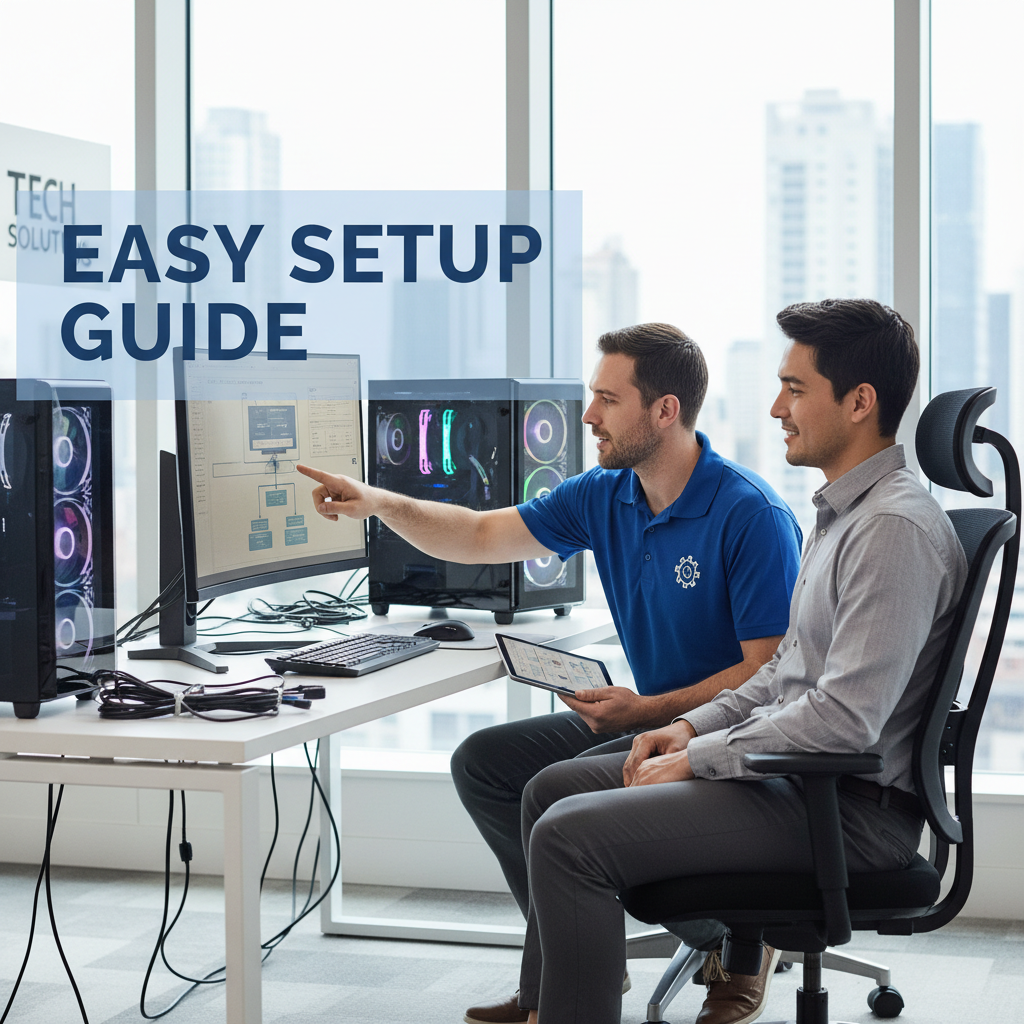
The vulnerability identified as CVE-2026-2329 serves as a stark reminder that physical hardware is often the most vulnerable entry point for a cyberattack. This specific threat affects the popular Grandstream GXP1600 series, including models such as the GXP1610, GXP1625, and GXP1630. With a critical CVSSv4 score of 9.3, this is not a minor glitch; it is a gateway for total system compromise.
For a business owner, the technical term unauthenticated stack buffer overflow can be translated into a simple, high-risk reality: a remote attacker can take root control of your desktop phone without needing a password or physical access. Once a hacker gains root access, the phone essentially becomes their tool. They can eavesdrop on private conversations, record sensitive client data, or use the device as a bridge to infiltrate the rest of your office network. For any organization prioritizing VoIP security Canadian business 2026, leaving such hardware unmanaged is a significant liability.
Affected Grandstream Models | Risk Level | Required Action |
|---|---|---|
GXP1610, GXP1615 | Critical (9.3) | Update to Firmware 1.0.7.81+ |
GXP1620, GXP1625 | Critical (9.3) | Update to Firmware 1.0.7.81+ |
GXP1628, GXP1630 | Critical (9.3) | Update to Firmware 1.0.7.81+ |
Protecting your VoIP phone systems requires constant vigilance. At Alpha Telecom Services, we actively monitor these specific hardware vulnerabilities to ensure our clients in the GTA are never left exposed to known exploits. The immediate solution for CVE-2026-2329 is applying firmware version 1.0.7.81 or later. While some firms attempt to manage these updates internally, professional installation and programming ensures that security patches are not just downloaded, but correctly configured to block future exploits. Relying on dedicated technical support ensures that your hardware is hardened against these specific technical threats before they can be leveraged against your business operations.
Top 4 VoIP Security Threats Facing Canadian Firms in 2026
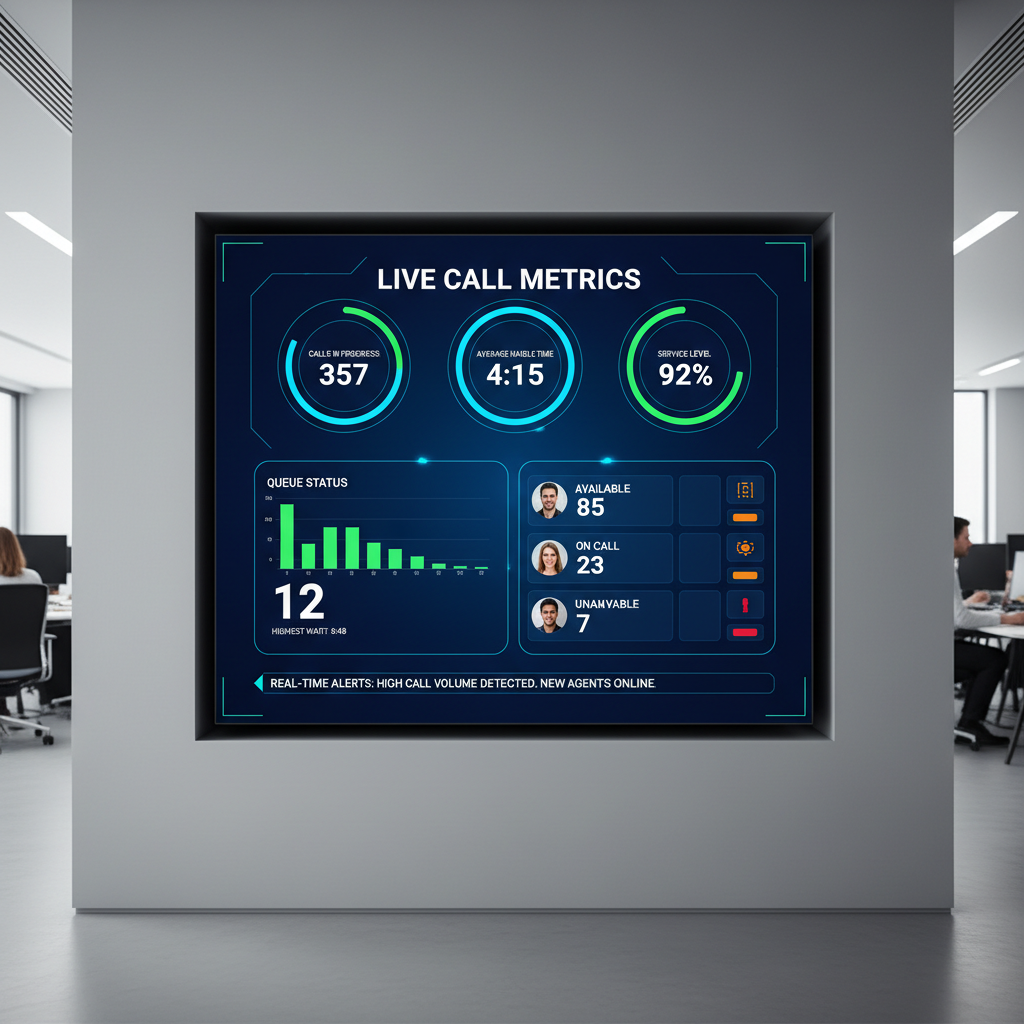
Hardening your hardware against vulnerabilities like CVE-2026-2329 is a critical baseline, yet the threats targeting GTA firms extend far beyond firmware exploits. As we navigate the complexities of VoIP security Canadian business 2026, the focus must shift to the operational and financial risks that can bypass traditional firewalls. The 2026 threat landscape is defined by four primary vectors that specifically exploit the architecture of modern voice networks.
### 1. AI-Powered Voice Cloning (Vishing) Generative AI has fundamentally changed social engineering. By 2026, attackers can create high-fidelity deepfake audio using as little as thirty seconds of a person's recorded voice. For a Toronto executive with a public-facing profile, this means a hacker can clone their voice to call a junior employee and authorize an urgent wire transfer or disclose sensitive client data. This form of vishing is particularly dangerous because it exploits the inherent trust of a voice connection, making it difficult for employees to detect without specialized training and verification protocols.
### 2. Toll Fraud and SIP Trunk Hijacking Toll fraud remains one of the most immediate financial threats to Ontario businesses. In this scenario, attackers gain unauthorized access to your SIP trunks to route high volumes of international calls to premium-rate numbers they control. Because many Canadian business accounts are configured for North American long distance, a sudden spike in calls to overseas jurisdictions can result in astronomical bills before the service provider's fraud detection triggers. This is why professional installation and programming is vital; it allows for the implementation of strict outbound dialing rules and credit limits that halt these attacks in real-time.
VoIP Threat | Primary Business Impact | Canadian Context |
|---|---|---|
AI Vishing | Data Breach / Financial Theft | Targets high-value Toronto commercial hubs |
Toll Fraud | Direct Financial Loss | Explots international long-distance rates |
DDoS | Operational Paralysis | High-density GTA networks are prime targets |
Brute Force | System Takeover | Automated scanning of Canadian IP ranges |
### 3. SIP-Specific DDoS Attacks While a standard DDoS attack targets your website, a SIP-specific Distributed Denial of Service attack targets the signaling ports of your VoIP phone systems. By flooding your system with illegitimate call requests, attackers can paralyze your ability to communicate with clients. For businesses in the GTA where competition is fierce, even a few hours of downtime can lead to lost contracts and permanent damage to brand reputation. Protecting against this requires a network capable of distinguishing legitimate traffic from malicious automated floods.
### 4. SIP Brute Force and Credential Harvesting Automated bots continuously scan Canadian IP ranges, attempting to guess the credentials of your phone extensions. If an attacker successfully compromises an extension, they can use your infrastructure to launch further attacks or monitor private conversations. Modern solutions like 3CX PBX phone systems combat this by using automated global IP blacklisting and mandatory complex credentials. Relying on dedicated technical support ensures these security features are correctly managed and that any suspicious login attempts from outside Canada are immediately investigated and blocked.
Canadian Regulatory Compliance: CRTC and Privacy Mandates
The regulatory environment for Canadian telecommunications has shifted from simple service provision to strict accountability. Central to this change is the CRTC 2026-87 decision, which reinforces the requirements for Next-Generation 9-1-1 (NG9-1-1). For any firm managing VoIP phone systems, NG9-1-1 is not merely a technical update; it is a life-safety mandate that requires voice networks to transmit precise location data and multimedia to emergency responders. A security breach or a DDoS-induced outage does more than disrupt sales; it creates a compliance failure by potentially severing the link to emergency services. In the context of VoIP security Canadian business 2026, ensuring uptime is now a legal obligation under CRTC oversight.
Privacy mandates under the Personal Information Protection and Electronic Documents Act (PIPEDA) further complicate the security landscape. In professional sectors such as law, finance, and healthcare in Ontario, the standard for reasonable security has evolved. Transmitting sensitive client data over unencrypted channels is increasingly viewed as a violation of PIPEDA’s data protection principles. Implementing professional installation and programming allows businesses to force encrypted signaling and media, ensuring that private conversations remain confidential and tamper-proof.
Regulatory Body | Mandate or Act | Security Requirement |
|---|---|---|
CRTC | Decision 2026-87 (NG9-1-1) | High availability and reliable emergency data routing |
OPC (Federal) | PIPEDA | End-to-end encryption for sensitive personal data |
Ontario (Health) | PHIPA and Privacy Guidelines | Hardened infrastructure for patient confidentiality |
Compliance is not a one-time configuration. As regulations evolve, dedicated technical support provides the continuous auditing necessary to verify that your system meets current Canadian standards. Protecting your firm from liability requires more than a firewall; it requires a documented approach to security that satisfies both the CRTC and provincial privacy commissioners.
Advanced Protection: Implementing a Multi-Layered Security Framework

Establishing a robust defense for your communication network requires moving beyond basic password protection. To achieve comprehensive VoIP security Canadian business 2026 demands, firms must implement a multi-layered framework that addresses both data in transit and access control. This technical hardening ensures that even if a perimeter is probed, the core voice data remains inaccessible to malicious actors.
The first layer is end-to-end encryption. While standard internet protocols transmit voice data in clear text, implementing Secure Real-time Transport Protocol (SRTP) and Transport Layer Security (TLS) is non-negotiable for professional services. TLS encrypts the signaling, which is the setup and routing of the call, while SRTP encrypts the actual voice packets. This prevents eavesdropping and man-in-the-middle attacks where an unauthorized party could listen to or record sensitive business discussions.
Security Layer | Component | Primary Function |
|---|---|---|
Signaling Security | TLS | Encrypts call setup to prevent metadata theft |
Media Security | SRTP | Encrypts audio streams to prevent eavesdropping |
Edge Protection | SBC | Acts as a specialized VoIP firewall for traffic filtering |
Access Control | MFA | Requires secondary verification for administrative changes |
For GTA businesses with high call volumes, a Session Border Controller (SBC) acts as a specialized VoIP firewall. Unlike a standard network router, an SBC is designed to inspect SIP traffic specifically. It can identify and drop malformed packets or suspicious patterns that indicate a DDoS or brute force attempt. This is particularly effective for 3CX PBX phone systems, where the SBC facilitates a secure, encrypted tunnel between remote offices and the central server without exposing individual VoIP phone systems to the open web.
Administrative security must also be hardened using Multi-Factor Authentication (MFA) and strict IP whitelisting. By restricting access to your management portals to specific, known Canadian IP ranges, you effectively neutralize the threat from automated botnets operating overseas. Professional installation and programming ensures these filters are correctly applied to prevent common misconfigurations. When paired with dedicated technical support, this multi-layered approach provides the resilience needed to keep your communications operational and secure against the evolving threats of 2026.
Why Local Technical Support is the Ultimate Security Feature
Generic cloud-based providers often treat security as a checkbox, leaving the burden of hardware maintenance and network configuration on your internal staff. In the landscape of VoIP security Canadian business 2026, the most effective defense is having a partner who physically understands your infrastructure. Alpha Telecom Services provides a level of oversight that remote-only support cannot match. We perform onsite hardware auditing and proactive firmware management, ensuring that vulnerabilities like the Grandstream GXP1600 overflow are patched before they can be exploited.
Many breaches originate from simple misconfigurations during the initial setup. By utilizing professional installation and programming, businesses in the GTA eliminate the risk of leaving default passwords active or ports unnecessarily exposed to the public internet. Our team configures 3CX PBX phone systems to align with specific Canadian network requirements and security best practices, such as localized IP whitelisting and session border control.
When a local threat emerges or a regulatory change occurs, having dedicated technical support in Toronto means immediate, hands-on intervention. We manage the complexity of VoIP phone systems so your team can focus on operations, knowing that your communication backbone is monitored and hardened by local experts who understand the Ontario regulatory and threat environment.
As the landscape of digital threats evolves into 2026, prioritizing VoIP security is essential for any Canadian business. Implementing the right protocols protects your data and preserves client trust. If you want expert help managing these security requirements, our team is ready to guide you. We can implement a secure Cloud PBX solution tailored to your specific needs; this ensures your communications remain both reliable and well protected. Partnering with professionals allows you to focus on your operations with complete peace of mind.