
Estimates for a business phone system cost Canada 2026 VoIP TCO generally range from $20 to $35 per user per month for cloud-hosted communication services. These modern platforms offer 30 to 60 percent savings over traditional landlines by removing the need for physical hardware and ongoing maintenance. This transition to VoIP provides Canadian businesses with a more predictable and affordable total cost of ownership compared to legacy systems.
As we approach 2026, Canadian business owners are facing a telecom landscape defined by rising regulatory fees and complex cloud licensing models. Many organizations find themselves trapped by low cost VoIP quotes that quickly spiral into budget nightmares due to overlooked implementation expenses. Understanding the Total Cost of Ownership is no longer just a financial best practice; it is a necessity for maintaining operational agility. In this guide, we provide a transparent breakdown of the true costs associated with modernizing your communications. You will learn the financial differences between cloud hosted PBX and on-premise solutions over a three year period. We also explore the value of refurbished hardware versus new equipment and highlight the specific Canadian regulatory costs that often hide in the fine print. By the end, you will have a clear roadmap for budgeting your 2026 telecom strategy.
Understanding the 2026 Canadian Telecom Landscape
As Canada reaches the final stages of the copper landline phase-out, the telecommunications landscape has shifted fundamentally for businesses in Toronto and the GTA. The legacy Public Switched Telephone Network is making way for all-digital infrastructure, which means the process of selecting a provider is no longer just about comparing monthly line rates. To accurately evaluate the business phone system cost Canada 2026 VoIP TCO, decision-makers must look beyond the sticker price and account for hardware lifecycles, maintenance, and scalability.
The traditional model relied on heavy capital expenditure (CapEx). In that era, a company might spend $10,000 on a physical server while paying $80 or more per individual landline. Today, sophisticated organizations are transitioning to an operational expenditure (OpEx) model. This shift favors predictable monthly subscriptions that cover dial tone, technical support services, and automatic security updates.
Modern Cloud PBX solutions offer flexibility that legacy copper lines never could. While a traditional line was physically tied to a wall jack, modern VoIP extensions facilitate hybrid work through mobile apps and refurbished VoIP phones that significantly reduce upfront hardware investments. By focusing on Total Cost of Ownership, businesses can capture hidden savings like included North American calling and the elimination of the expensive onsite technician visits that once defined the legacy telecom era.
The Real Cost of Cloud Hosted PBX in Canada
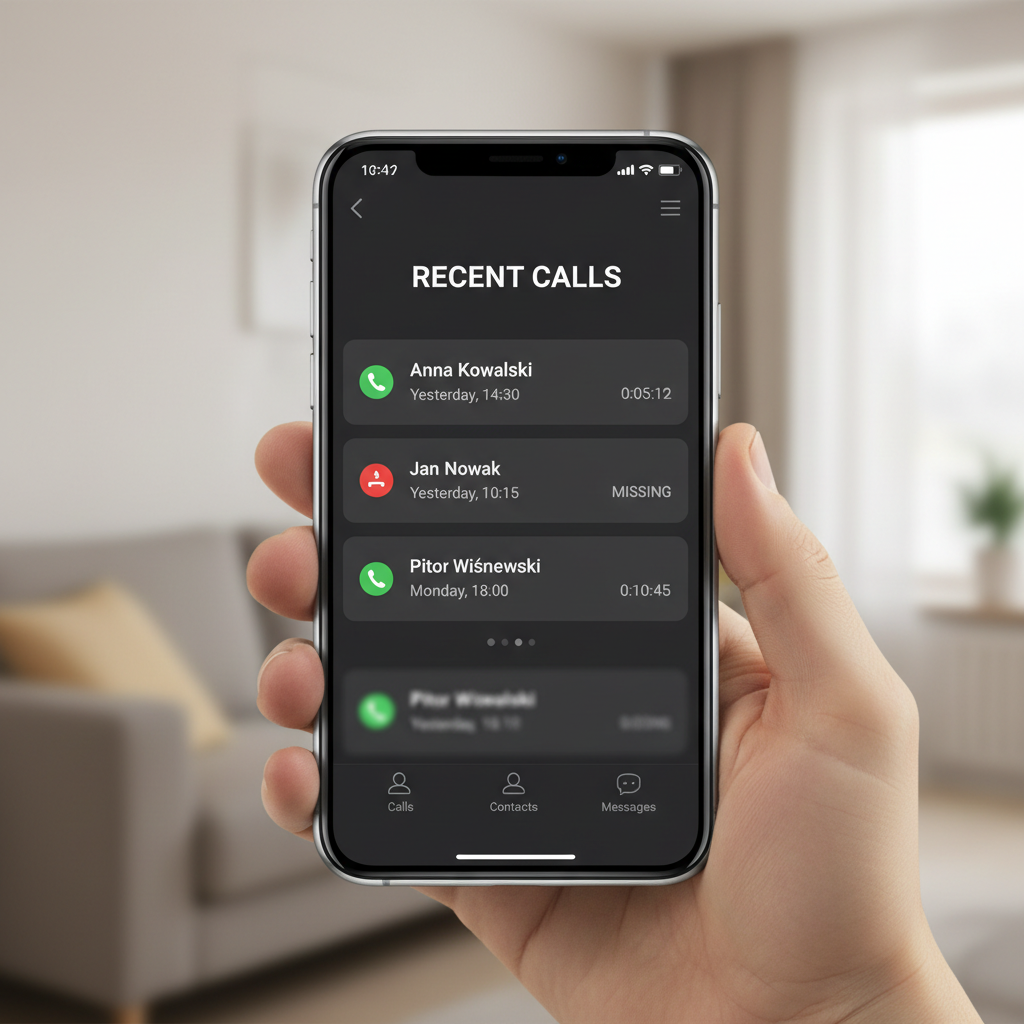
Transitioning to Cloud PBX solutions requires an understanding of how service tiers dictate your monthly expenditure. In the current market, pricing is generally segmented by the depth of productivity features and the level of integration required. Most businesses find themselves choosing between a streamlined communication core and a feature-rich unified platform.
Feature Category | Entry-Level Tier | Professional/Pro Tier |
|---|---|---|
Monthly Cost | $20 – $30 per user | $35 – $55 per user |
Standard Features | Unlimited North American Calling, Auto-Attendant | All Entry Features + SMS/MMS |
Advanced Tools | Voicemail-to-Email, Mobile App | AI Transcription, CRM Integration |
Best For | Retail, Small Professional Offices | Sales Teams, Law Firms, Medical Clinics |
For many organizations in the GTA, the entry-level tier provides a robust foundation for daily operations, offering a professional image without unnecessary complexity. However, high-volume organizations often find the Pro tier more cost-effective when accounting for the cumulative time saved through automated CRM logging and AI-summarized meetings.
A critical factor in the business phone system cost Canada 2026 VoIP TCO is the hidden cost of support. Many global providers market low-cost entry plans but relegate Canadian clients to overseas call centers or charge extra for 'premium' local assistance. These providers often lack a deep understanding of Canadian regulatory requirements or local network handoffs. Alpha Telecom integrates expert technical support services directly into our service framework. This ensures that Toronto businesses have direct access to technicians who can manage local infrastructure issues, helping to avoid the downtime and hidden service fees associated with 'cheap' international alternatives.
Hardware Costs: New vs Refurbished VoIP Phones
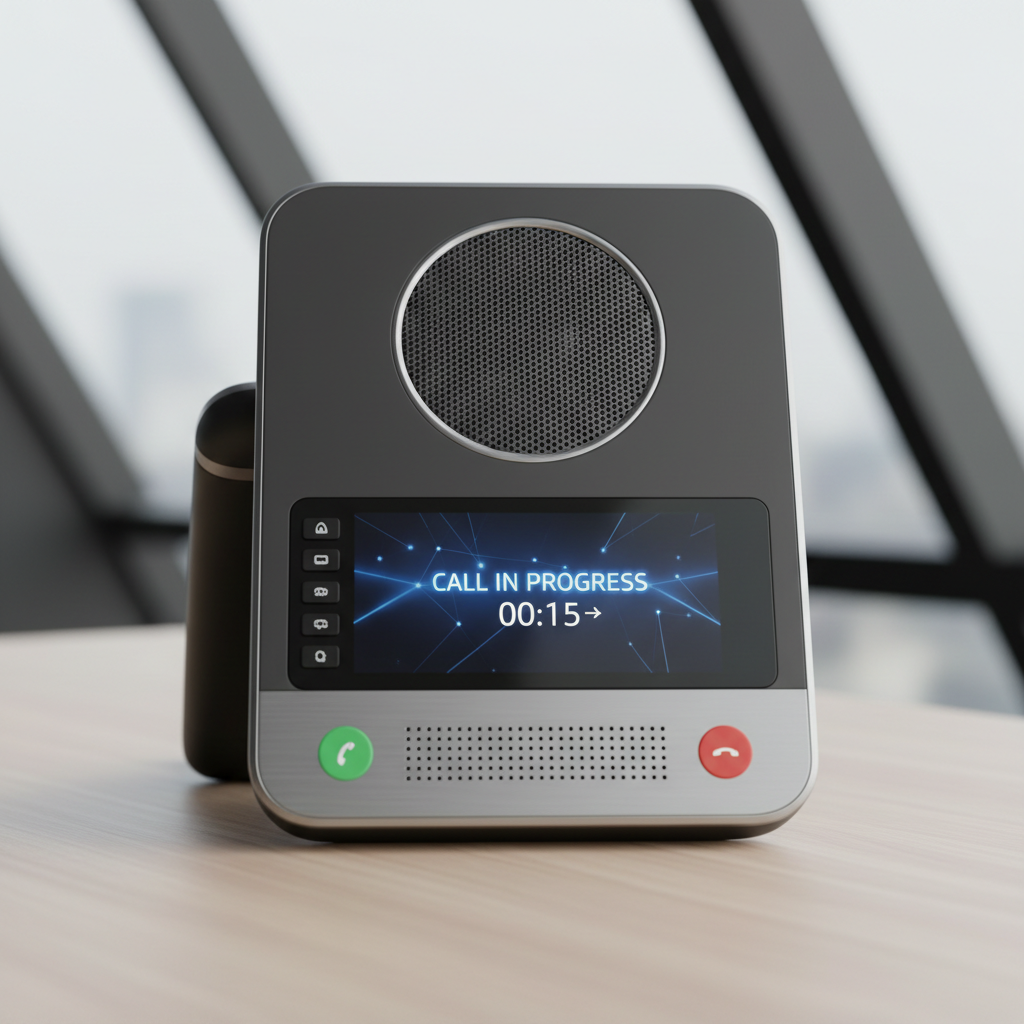
Hardware represents the most substantial upfront portion of the business phone system cost Canada 2026 VoIP TCO for most Toronto organizations. While the shift to cloud has reduced the need for local servers, the decision between new and refurbished handsets remains a critical budget factor. High performance units from manufacturers like Yealink or Polycom generally retail between $150 and $350. These models are ideal for high use environments where physical buttons and dedicated audio processors are necessary for efficiency.
For businesses looking to stretch their capital, refurbished VoIP phones offer a compelling middle ground. Selecting certified refurbished hardware can result in 40 to 60 percent savings compared to new units, with high quality desk phones available for $75 to $150. These devices are professionally vetted for reliability, providing a premium experience without the premium price tag. This strategy is particularly effective for scaling call centers or growing offices where the cumulative savings on dozens of handsets can be reinvested into other areas of the business.
Hardware Category | Typical Cost Range | Primary Use Case |
|---|---|---|
New Premium Handsets | $150 – $350 | Executive suites, reception |
Certified Refurbished | $75 – $150 | Standard office, high volume teams |
Softphone Applications | $0 | Hybrid teams, remote workers |
The rise of softphones has also introduced a $0 hardware alternative. By leveraging existing laptops and smartphones via a mobile app, hybrid teams can bypass physical hardware costs entirely. This flexibility is a key component of modern Cloud PBX solutions, allowing businesses to allocate those savings toward technical support services or more advanced software integrations. Choosing the right mix of new, refurbished, and softphone technology ensures that a company’s communication infrastructure remains lean and functional.
On Premise PBX vs Cloud: A 3 Year TCO Comparison
While hardware choice dictates the immediate expense, the architecture of the system determines the business phone system cost Canada 2026 VoIP TCO over the long term. Organizations must choose between the agility of Cloud PBX solutions and the control of an on-premise server. For a 10-user office in Toronto, a cloud deployment typically incurs a 3-year cost between $5,000 and $10,000. This range includes monthly subscription fees and the initial purchase of refurbished VoIP phones or new handsets. The primary financial advantage of cloud is the elimination of server maintenance, as the provider manages all security patches and feature updates.
Conversely, an on-premise system using platforms like 3CX or Yeastar carries higher upfront costs. A similar 10-user office would likely see a 3-year TCO between $8,000 and $15,000. This encompasses the physical server hardware, initial licensing, professional installation, and monthly SIP trunking fees for dial tone.
Cost Component | Cloud Hosted (10 Users) | On-Premise (10 Users) |
|---|---|---|
Upfront Investment | Low ($1,000 – $2,500) | High ($4,000 – $7,000) |
Monthly Recurring | Per-user subscription | SIP Trunking & maintenance |
3-Year Estimated TCO | $5,000 – $10,000 | $8,000 – $15,000 |
Scalability | Instant per-user | Requires hardware/license overhead |
Although cloud is the more accessible entry point for small teams, the ROI calculation shifts as an organization scales. For companies with 50 or more users, an on-premise system often becomes the more economical choice around the 30-month mark. Since monthly SIP trunking costs are based on concurrent call paths rather than per-user seats, the operational costs for a large team are significantly lower once the initial capital for the server is depreciated. Regardless of the architecture chosen, ongoing technical support services remain a vital line item to manage routing changes and ensure system security.
Hidden Fees and Canadian Regulatory Costs to Watch For
Calculating the business phone system cost Canada 2026 VoIP TCO requires looking past the base subscription at the regulatory line items and service surcharges that standard quotes often omit. In Canada, certain fees are non-negotiable and must be factored into the multi-year budget to avoid billing surprises.
Key administrative costs include: - E911 Service Fees: Mandatory Canadian regulatory charges, typically ranging from $1.50 to $2.50 per month per user, which ensure emergency services can accurately locate callers. - Number Porting: Maintaining your existing Toronto phone numbers usually involves a one-time administrative fee of $15 to $30 per number during the transition. - Toll-Free Access: While many plans include local North American dialling, toll-free numbers often carry a separate monthly fee of $5 to $15 plus per-minute usage bundles.
Businesses should also be wary of the Ontario Premium frequently levied by global providers. These international firms often charge extra for on-site assistance or local network optimization within the GTA. By contrast, Alpha Telecom integrates technical support services directly into the operational model. This avoids the hidden service markups common with large carriers and ensures that your technical assistance comes from specialists familiar with the regional infrastructure, keeping your long-term costs predictable and transparent.
Implementation and Technical Support: The Cost of Doing It Right

Attempting a DIY setup to save on the initial business phone system cost Canada 2026 VoIP TCO often results in a false economy. While many providers ship pre-configured hardware, simply plugging devices into a standard office router without network optimization frequently leads to packet loss, jitter, and dropped calls. For a Toronto firm, the revenue lost from a single dropped sales lead can quickly exceed the entire cost of professional implementation.
Expert installation involves more than just connecting hardware; it requires configuring Quality of Service (QoS) rules and dedicated voice VLANs to ensure voice traffic takes priority over data-heavy tasks like file backups or video streaming. In the GTA, professional onsite installation and programming typically range from $500 to $1,500 depending on the number of users and network complexity. For smaller Cloud PBX solutions, remote provisioning fees may be lower, often falling between $50 and $150, yet onsite validation remains the gold standard for long-term stability.
Investing in professional setup pays for itself by significantly reducing the need for reactive technical support services in the future. A system correctly integrated with your local area network ensures that your refurbished VoIP phones or new handsets perform at peak capacity from day one. This proactive approach eliminates the hidden labor costs associated with troubleshooting intermittent audio issues that commonly plague unmanaged DIY deployments.
Why Toronto Businesses Choose Alpha Telecom for Cost Transparency
Toronto businesses from North York to Etobicoke face unique challenges when navigating the local telecom market. While national carriers often bury complex terms in multi-page contracts, Alpha Telecom focuses on straightforward pricing that reflects the true business phone system cost Canada 2026 VoIP TCO. Choosing a local partner allows you to avoid the common trap of escalating monthly fees and rigid agreements that characterize big carrier relationships. We provide granular visibility into every line item, ensuring you only pay for the features your team actually utilizes.
Our approach to hardware further optimizes your budget. We often recommend a hybrid deployment, pairing new high-performance consoles for reception and executive desks with certified refurbished VoIP phones for standard office workstations. This strategy allows companies to achieve high service levels without overextending their initial capital. By integrating these devices with our Cloud PBX solutions, businesses gain a scalable platform backed by local experts who understand the regional infrastructure.
Reliability in the GTA requires a provider that understands the nuances of the regional network. We provide dedicated technical support services that go beyond basic dial tone, offering onsite assistance when remote troubleshooting is insufficient. This local presence ensures that your transition to digital voice remains efficient, predictable, and fully transparent from the first day of installation.
Navigating the total cost of ownership for your communication infrastructure requires a clear view of hardware, licensing, and hidden maintenance fees. While the math might seem daunting at first, finding a balance between features and budget is essential for long-term growth. If you want expert help tailoring a solution for your specific business needs, our team is ready to guide you. Transitioning to a modern Cloud PBX provides the scalability and cost-efficiency needed to stay competitive in the Canadian market. Let us help you find the right fit.