

The copper landline shutdown Canada business VoIP transition requires organizations to migrate to cloud-based phone systems before traditional copper-wire infrastructure is phased out by late 2026. Businesses should act now to avoid service disruptions, reduce monthly costs, and implement advanced features such as AI integration and mobile accessibility. Making the switch ensures that critical communications and emergency services remain operational during this nationwide infrastructure shift.
For many Canadian business owners, the reliable hum of a traditional landline is becoming a source of frustration. Increasing service outages and skyrocketing monthly bills for legacy infrastructure are clear signs that the copper era is ending. As major telecommunications providers across Canada accelerate the decommission of the Public Switched Telephone Network, maintaining a legacy copper line is no longer just expensive; it is a liability for your business continuity. This transition affects more than your front desk. It impacts critical infrastructure like security systems and elevator lines that often go overlooked until a failure occurs. In this guide, we provide a technical roadmap for Ontario business owners facing imminent deadlines. You will learn how to identify hidden copper dependencies, compare the financial advantages of business VoIP, and execute a migration strategy that ensures your communication remains uninterrupted through 2026 and beyond.
The End of the Copper Era: Why the PSTN is Fading Away
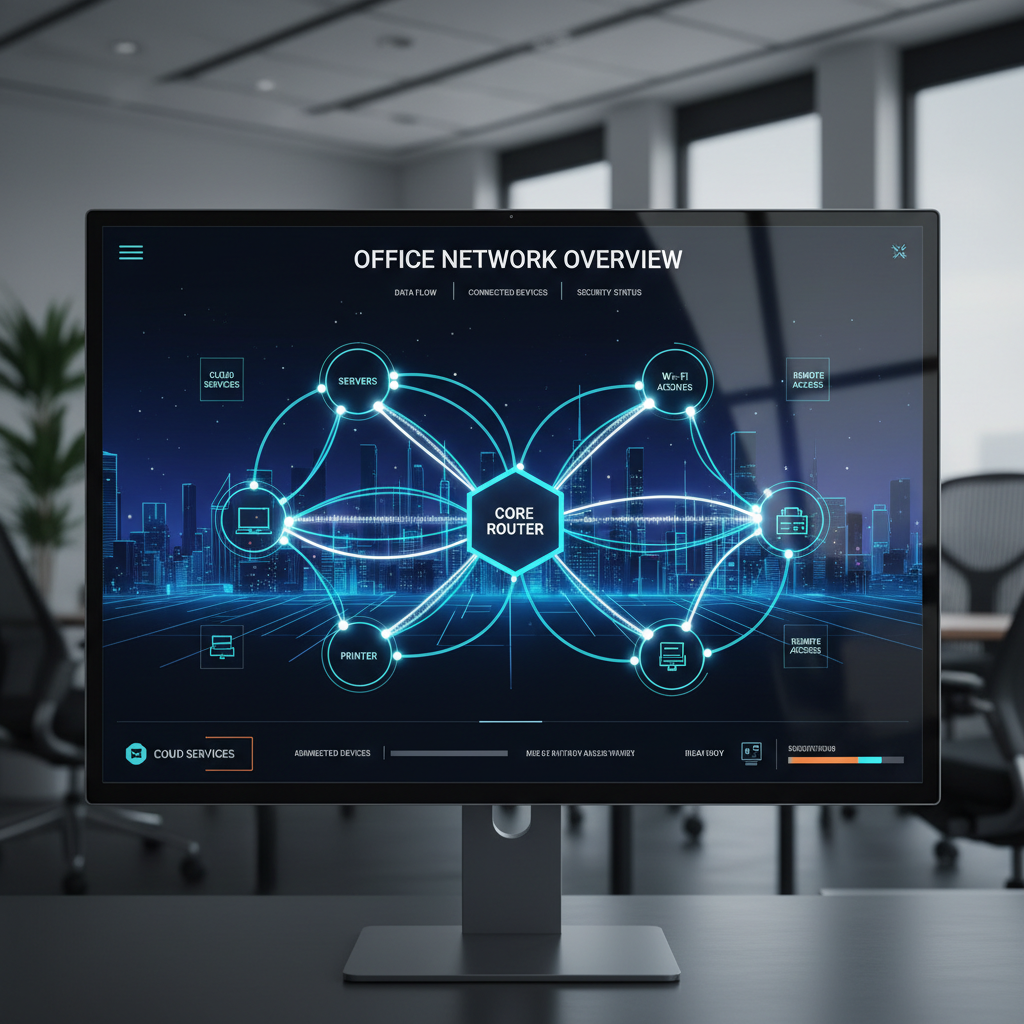
The Public Switched Telephone Network (PSTN), the backbone of Canadian communication for over a century, is reaching its definitive conclusion. This shift is not a simple software update or a marketing trend; it is a fundamental decommissioning of the physical copper wire infrastructure that once defined business connectivity. For companies in Toronto and throughout Ontario, the transition to digital infrastructure is now a mandatory requirement driven by both technological progress and regulatory mandates.
Major carriers, most notably Bell Canada, are actively phasing out legacy copper lines. These systems have become increasingly trouble prone and expensive to maintain compared to modern fiber optic and IP based networks. The Canadian Radio television and Telecommunications Commission (CRTC) has established a clear framework, specifically referencing the 2026 to 2028 timeline for significant infrastructure withdrawals, signaling the final sunset for traditional landlines. This regulatory direction forces a shift away from aging hardware that is vulnerable to environmental degradation and physical failure.
As the copper landline shutdown Canada business VoIP transition accelerates, staying on the legacy network is no longer a viable long term strategy. Maintaining these outdated lines requires specialized Technical Support services that are becoming scarcer as the industry pivots toward digital proficiency. Business owners must recognize that the PSTN is not merely fading; it is being replaced by more resilient Cloud PBX solutions and sophisticated platforms like the 3CX PBX Phone System. This infrastructure overhaul ensures that Canadian businesses can maintain seamless connectivity without the reliability risks inherent in century old technology.
Critical Deadlines for Ontario Business Owners
The 2026 to 2028 timeline outlined by the CRTC marks a definitive end for traditional infrastructure, but Ontario business owners must monitor specific milestones to avoid service interruptions. It is essential to distinguish between service decommissioning and service withdrawal. Decommissioning occurs when a carrier stops selling or offering new copper based services in a specific geographic area. Service withdrawal is the final stage, representing the actual date when the signal is terminated and the wires are physically disconnected.
Toronto business owners should scrutinize recent billing inserts and letters from providers like Bell Canada. These documents often serve as the formal notice period for an upcoming withdrawal, providing a narrow window to migrate without downtime. Delaying the transition leads to the Legacy Tax, where carriers significantly increase the monthly costs of analog lines. These price hikes are intended to offset the rising cost of maintaining aging networks and to encourage migration to modern Cloud PBX solutions.
Staying on copper means paying more for a service with decreasing reliability. As the copper landline shutdown Canada business VoIP transition nears its final phases, the cost of specialized Technical Support services for legacy hardware will continue to climb. For those requiring granular control over their communications, migrating to a 3CX PBX Phone System avoids these artificial price inflations while providing a stable, future proof platform before the 2026 cut off.
Beyond the Desk Phone: Systems You Forgot Were on Copper
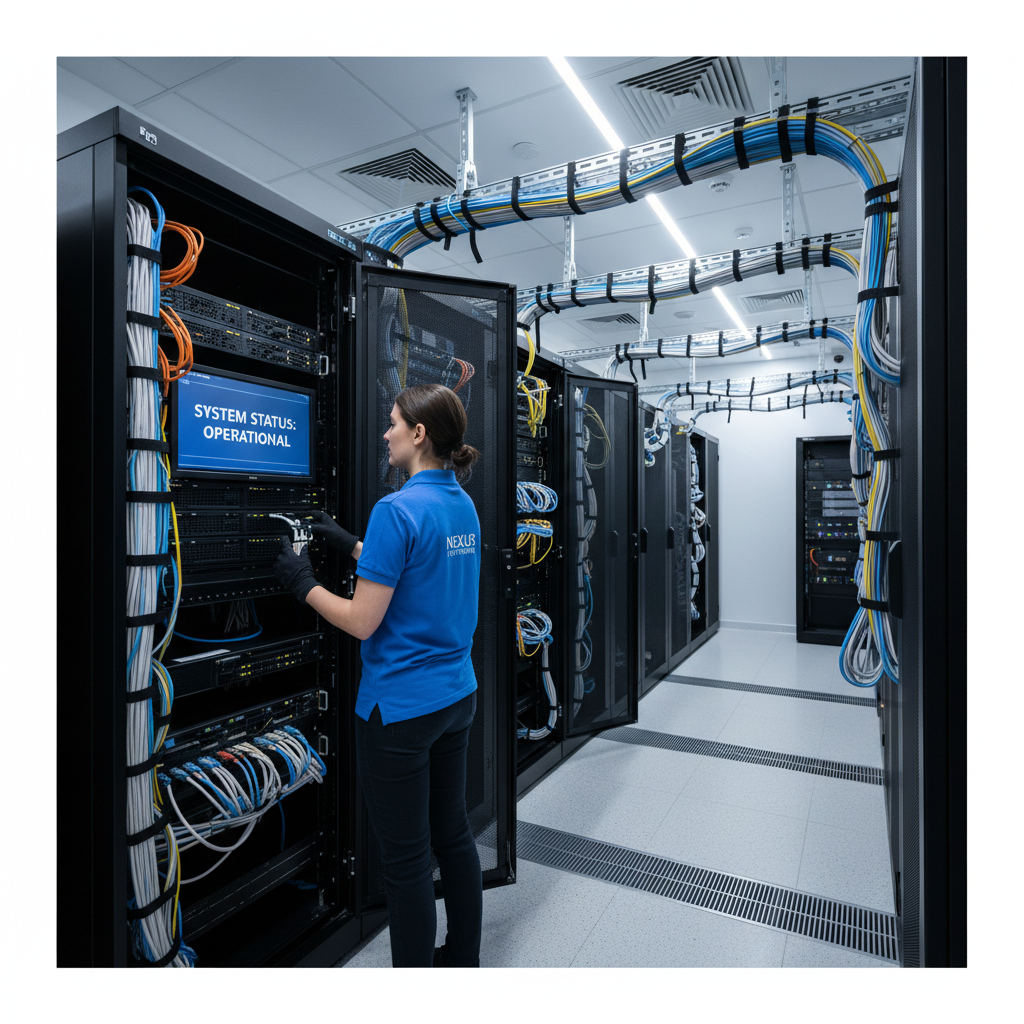
The transition involves more than just swapping out desk handsets; it requires a comprehensive audit of every device connected to your building's wiring. The copper landline shutdown Canada business VoIP migration often overlooks critical infrastructure tucked away in utility closets or elevator shafts. These legacy systems were designed to operate on the specific electrical characteristics of a copper loop, and they may fail unexpectedly when plugged into a generic digital adapter.
Identify these hidden dependencies early:
Elevator Emergency Phones: These lines are governed by strict safety codes. They must work during power outages and provide reliable two way voice communication to emergency dispatchers.
Alarm Monitoring Systems: Fire and security panels often communicate via contact ID or specialized pulses. Standard VoIP compression can distort these signals, preventing your alarm from reaching the central monitoring station.
Fax Machines: Many Toronto law firms and medical offices still rely on fax for secure document transmission. VoIP latency issues frequently cause handshake failures mid transmission.
Legacy POS Terminals: Older credit card machines that dial out to verify transactions will struggle with the precise timing required by digital networks.
A standard Analog Telephone Adapter (ATA) is frequently insufficient for these applications. These devices often fail to provide the necessary loop voltage or lack the low latency required for machine to machine communication. At Alpha Telecom Services, we solve these edge case challenges through specialized hardware, such as T.38 compliant gateways for faxing and managed cellular failover units for life safety systems.
Our Technical Support services include a physical site audit to locate every active copper pair in your facility. By integrating these systems into Cloud PBX solutions or a 3CX PBX Phone System with the correct interfaces, we ensure your safety and operational systems remain compliant and functional throughout the decommissioning process.
The Financial Impact: Copper vs. Business VoIP in Canada
Navigating these technical edge cases is essential; however, the primary driver for many Toronto organizations remains the significant shift in operational expenditure. Industry data reveals a consistent trend often called the 50 percent rule. Most Canadian businesses that complete the copper landline shutdown Canada business VoIP transition report a 30 to 50 percent reduction in their total monthly communication costs.
This financial benefit stems from several structural changes in how services are billed. Traditional PSTN lines carry heavy maintenance fees and regulatory surcharges that reflect the cost of preserving aging physical infrastructure. By moving to Cloud PBX solutions, businesses eliminate these physical line charges. Furthermore, features that carriers previously billed as premium add ons, such as auto attendants, voicemail to email, and call queuing, are typically included as standard features in a modern 3CX PBX Phone System.
Cost Category | Traditional Copper Lines | Business VoIP (Digital) |
|---|---|---|
Monthly Line Rental | High (increasing with legacy tax) | Low (per-user or per-path) |
Long Distance | Per-minute rates apply | Often bundled or low flat-rate |
Essential Features | Additional monthly per-feature fee | Included in standard seat price |
System Maintenance | Requires specialized on-site visits | Managed remotely via Technical Support services |
The savings are particularly impactful for multi-location enterprises. Under the legacy model, calls between a Toronto head office and a satellite branch in Calgary were billed as long distance. VoIP treats these calls as internal network traffic, making inter-office communication free across Canada. This consolidation reduces billing complexity and provides a predictable, scalable cost structure that allows businesses to reinvest those savings into higher quality hardware and better internet connectivity.
Key Features of a Modern Business VoIP System in 2026
The transition triggered by the copper landline shutdown Canada business VoIP movement offers more than just lower monthly overhead. By 2026, the baseline for business communication has shifted from simple voice transmission to integrated data management. Modern systems turn every call into a searchable asset. For example, AI-driven call summaries and automatic transcriptions allow managers to review hours of client interactions in minutes, identifying key action items without manual note taking.
A significant advantage for the Toronto workforce is the focus on mobility. With modern Cloud PBX solutions, employees are no longer tethered to a physical desk. Mobile applications allow team members to send and receive calls using their business identity from anywhere in Ontario, ensuring a professional appearance even when working remotely. This flexibility is complemented by deep CRM integration. When a client calls, their entire purchase history and previous support tickets can appear on the screen immediately, allowing staff to provide personalized service without asking the customer to repeat basic information.
For organizations that require a high degree of customization and data sovereignty, the 3CX PBX Phone System remains a premier choice. It provides robust control over the communication environment, supporting advanced call queuing and live chat integration directly into the phone interface. These features are supported by our Technical Support services, ensuring that as your business grows, your digital infrastructure scales with you. Moving to VoIP in 2026 is less about replacing a wire and more about adopting a unified platform that enhances how Canadian teams collaborate and serve their clients.
Steps to a Seamless VoIP Migration

Transitioning from legacy wires to a digital platform requires a structured approach to ensure business continuity. A haphazard migration can lead to dropped calls or non-functional safety systems. Following a rigorous checklist minimizes these risks as the copper landline shutdown Canada business VoIP transition reaches its final stages.
Conduct a Comprehensive Line Audit: Document every active telephone jack in your facility. This includes standard desk phones and the specialized lines for elevator emergency panels, fire alarms, and gate entries. You must identify which devices require specialized hardware interfaces or cellular backups before disconnecting from the PSTN.
Evaluate Network Quality: While total bandwidth is important, VoIP relies heavily on low latency and minimal jitter. A connection with high download speeds but poor stability will result in choppy audio and dropped packets. Our Technical Support services can perform a network assessment to confirm your router can prioritize voice traffic through Quality of Service (QoS) settings.
Determine Your Deployment Model: Decide between Cloud PBX solutions, which offer rapid deployment and off-site redundancy, or an on-premise 3CX PBX Phone System. The latter is often preferred by Toronto businesses that want to maintain physical control over their server hardware and internal data.
Initiate Number Porting Early: You can keep your existing Canadian business numbers. However, the administrative process with legacy carriers can take one to three weeks. Coordinate the porting date to coincide with your hardware installation to avoid any gap in reachability.
Professional installation is the most critical factor in a successful migration. Expert technicians manage the cutover to ensure that as your copper lines go dark, your digital handsets and safety systems activate instantly. This precision prevents the operational downtime that often plagues unmanaged or DIY setups during the transition period.
The copper landline shutdown represents a major transition for Canadian businesses, but it also provides an opportunity to modernize your communication infrastructure. While moving away from traditional lines can seem complex, you do not have to manage the change alone. If you want expert help navigating your options, transitioning to a Cloud PBX solution is often the most effective next step. Our team is ready to assist you in building a reliable system that grows with your business and ensures long term connectivity.