
To replace legacy PBX with VoIP Canada small business leaders should evaluate their current telecommunications costs, choose a cloud-hosted provider, and follow a structured migration plan. Switching to a digital system can reduce monthly bills by 30 to 75 percent while providing advanced features like mobile apps and virtual receptionists.
Maintaining an aging on-premise PBX often feels like keeping a vintage car on the road; it is increasingly expensive, replacement parts are scarce, and it lacks the security features required for modern business. For a Canadian small business, the risk of sudden hardware failure or missed client calls is a looming liability that directly impacts the bottom line. As the national telecommunications infrastructure shifts toward digital first connectivity, staying tied to legacy copper lines creates a significant bottleneck for growth. Transitioning to a cloud based VoIP solution is a strategic move toward long term operational resilience. This guide explores the warning signs of system obsolescence and provides a technical roadmap for a seamless migration. You will learn how to manage Canadian number porting, evaluate the return on investment for your hardware, and implement advanced features that your current legacy system simply cannot support.
Why Your Old Office Phone System is Becoming a Liability
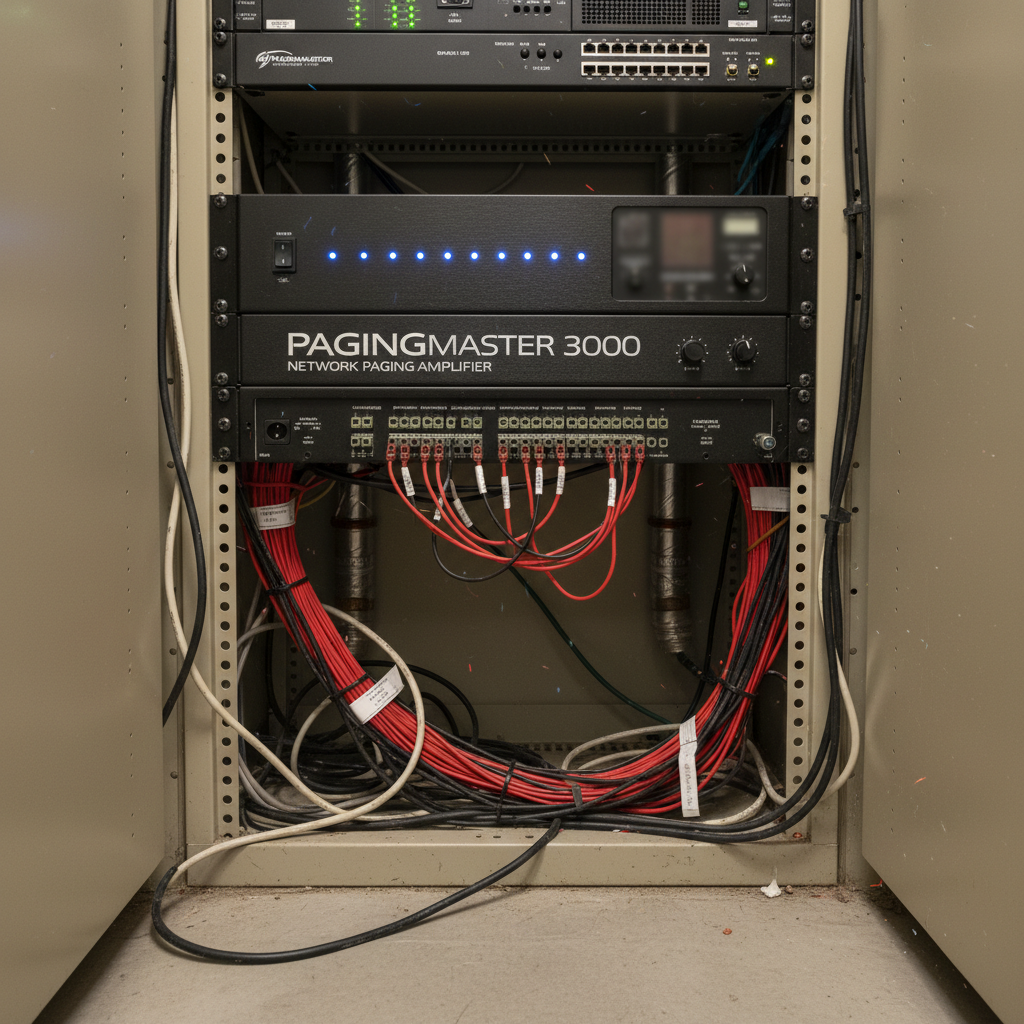
For many businesses across Ontario, the humming box in the server closet has transitioned from a reliable asset to a significant operational risk. The telecommunications landscape in Canada is undergoing a fundamental shift as major carriers aggressively decommission traditional copper wire infrastructure. As the CRTC oversees the move toward IP-based networks, the cost of maintaining aging analog lines and PRIs continues to climb, creating a financial burden for those who delay the switch.
Finding replacement components for once-dominant systems from Panasonic, Toshiba, NEC, Avaya, or Mitel has become increasingly difficult. Panasonic, for instance, has exited the business communications market entirely, leaving owners to rely on the used market or specialized legacy Meridian Norstar support just to keep dial tones active. When a critical circuit board or power supply fails, the wait for a refurbished part can leave a business offline for days. This "eBay factor" creates a precarious situation where a single hardware failure could result in a total system blackout.
Modern operational requirements have also outpaced these older systems. Legacy hardware lacks the native ability to support a distributed workforce, forcing employees to use personal cell phones or clunky workarounds that compromise professional standards. To remain competitive, it is becoming essential to replace legacy PBX with VoIP Canada small business owners can rely on for long term stability. Transitioning to Cloud PBX solutions or software-driven 3CX PBX phone systems removes the threat of hardware obsolescence while providing access to expert technical support designed for modern efficiency.
Is Your PBX Obsolete: Recognizing the Warning Signs
Business owners frequently ask if the PBX is obsolete. The short answer is no; the concept of a Private Branch Exchange remains the standard for professional call routing. However, traditional on-premise hardware has reached a critical breaking point. While the logic of a PBX still works, the physical cabinets and circuit boards are failing under the weight of modern demands.
One of the most telling warning signs is the "eBay factor." If your office relies on an aging Avaya Partner or a Panasonic KX-T series system, you have likely discovered that the manufacturers no longer produce replacement parts. Maintaining these systems often requires sourcing used, uncertified components from secondary markets, which creates a significant risk for long term reliability. Beyond hardware availability, look for these specific performance issues:
Audio Degradation: Frequent crackling, static, or echo on lines that cannot be resolved by the carrier.
Dial Tone Delays: A noticeable pause between lifting the handset and hearing a dial tone, often indicating failing processor cards.
Mobile Isolation: The inability to take office calls on a smartphone without manually forwarding lines or revealing personal cell numbers.
When these symptoms appear, the cost of band-aid repairs often exceeds the investment required to replace legacy PBX with VoIP Canada small business owners can utilize for better scalability. Transitioning to 3CX PBX phone systems or other software-based platforms eliminates these hardware bottlenecks. If your system requires constant resets or specialized expert technical support just to stay functional, the hardware is no longer an asset; it is a liability.
The Cost of Waiting Versus the ROI of Switching
Deciding when to transition involves more than just evaluating hardware performance; it requires a cold look at the Total Cost of Ownership (TCO). Many firms hesitate because the legacy system is paid for, yet the true cost of maintaining an aging PBX is often hidden in inflated carrier invoices and emergency repair bills. Industry data suggests that the move to IP-based communication can offer between 30 and 75 percent savings over traditional setups. This difference stems from shifting the financial model from high Capital Expenditure (CAPEX) to a predictable Operating Expenditure (OPEX).
Under the legacy model, a business must invest thousands of dollars every decade in a proprietary cabinet, line cards, and physical licenses. When you replace legacy PBX with VoIP Canada small business owners trade those heavy upfront costs for a monthly subscription that includes ongoing updates and expert technical support. This eliminates the need for a rainy day fund dedicated to sudden hardware failures.
Cost Factor | Legacy On-Premise PBX | Cloud/Hosted VoIP |
|---|---|---|
Upfront Investment | High (Hardware, Licensing, Install) | Low (Handsets or Softphones) |
Monthly Line Fees | High (PRI/Analog Line Rentals) | Low (SIP/Internet Based) |
Maintenance | Per-call service rates | Included in monthly fee |
Scalability | Requires new hardware cards | Instant digital provisioning |
In the Canadian market, the most immediate ROI often comes from eliminating expensive PRI (Primary Rate Interface) or analog trunk rentals from major national carriers. These legacy connections are priced significantly higher than the data-driven alternatives used by Cloud PBX solutions or 3CX PBX phone systems. By removing these fixed line costs, the savings frequently cover the cost of the new system within the first year of operation.
Step by Step: How to Migrate from On Premise PBX to Cloud Phone Systems

Moving from a physical cabinet to a digital platform involves a structured process that minimizes disruption. While the shift may seem technically daunting, the transition is manageable when broken into four key stages designed for business continuity.
1. Infrastructure and Site Audit Before any new equipment is ordered, your local internet environment must be evaluated. For businesses in the GTA or elsewhere in Ontario, we assess current bandwidth and network stability to ensure your connection can handle voice traffic alongside daily data usage. This audit identifies if your current router supports Quality of Service (QoS) to prioritize voice packets, which prevents dropped calls or jitter during peak office hours.
2. Hardware and Endpoint Selection You must decide how your team will interact with the new system. Many organizations choose a hybrid approach, using physical IP desk phones for receptionists and softphone applications for remote sales teams. Because Cloud PBX solutions are software-driven, you have the flexibility to use mobile apps, desktop clients, or traditional handsets. In some cases, businesses moving away from legacy Meridian Norstar support may choose to start with softphones to reduce immediate hardware costs.
3. The Porting Process The most common concern when you replace legacy PBX with VoIP Canada small business owners share is the fear of losing an established phone number. Your numbers are portable by law. We manage the communication with your current provider to transfer your existing numbers to the new platform seamlessly. To ensure zero downtime, your old system remains active until the exact moment the transfer is confirmed and tested.
4. System Configuration and Call Logic Finally, we map out your digital call flow. This includes setting up the Auto-Attendant (IVR), creating ring groups for specific departments, and establishing after-hours routing. Utilizing 3CX PBX phone systems allows for highly customized routing that ensures no call goes unanswered. Alpha Telecom handles the heavy lifting throughout this process, providing expert technical support to oversee the cutover and ensure the new system is fully optimized before your team logs in.
Handling Number Porting and Business Continuity in Canada
Number porting often represents the primary concern for organizations looking to replace legacy PBX with VoIP Canada small business teams rely on. In the Canadian regulatory environment, this process is centered on the Letter of Authorization (LOA). This document is a legal requirement that grants a new service provider permission to move your numbers from the incumbent carrier. Precision is vital during this stage; the information on the LOA must match the current carrier's billing records exactly, including the authorized signer and service address, to avoid administrative rejections that can stall a migration.
To ensure business continuity, Alpha Telecom utilizes a parallel system strategy. We deploy and configure your Cloud PBX solutions or 3CX PBX phone systems while your old hardware remains fully functional. This allows your staff to place outbound calls and test the new interface while incoming calls continue to ring on the legacy handsets. Once the porting date is confirmed by the carriers, the switch occurs with minimal latency. Because the new environment is already live and tested, the risk of missed calls is virtually eliminated. Throughout this transition, expert technical support monitors the signal handoff to ensure your professional image remains uninterrupted from the first minute of the cutover.
Beyond the Dial Tone: Features Your Legacy System Lacks
The completion of a technical migration is often the first time a team experiences the operational advantages of modern software. While traditional hardware focuses solely on the connection, the decision to replace legacy PBX with VoIP Canada small business leaders make is usually driven by the need for advanced functionality that aging cabinets cannot support. Modern Cloud PBX solutions serve as productivity suites that extend far beyond a simple dial tone.
Voicemail-to-email is a fundamental efficiency that eliminates the need to manually check a desk phone for messages. Instead, recordings are delivered as audio files directly to an inbox, allowing for instant playback and easy archiving. For a lawyer or real estate agent traveling between appointments in the GTA, this ensures urgent client requests are prioritized without needing to return to a physical office to check a flashing light.
Mobile application integration further breaks the dependency on the desk. These apps allow staff to use their personal smartphones as fully functional office extensions. Outbound calls display the business caller ID, which protects employee privacy and maintains a professional brand image. In the retail or service sectors, this mobility ensures that floor managers or site supervisors remain reachable anywhere there is an internet connection.
Advanced 3CX PBX phone systems also provide seamless CRM integration. When a known client calls, their record can automatically appear on the employee's screen, providing immediate context and history. This level of data integration allows for more informed conversations and faster resolution times. If your current workflow feels restricted by your hardware, our expert technical support can help implement these features to enhance your team's responsiveness.
Common Challenges When Replacing On Prem PBX Hardware
Transitioning to a modern platform involves technical hurdles that require local expertise. Network readiness is a primary challenge; without Quality of Service (QoS) configurations, voice traffic may compete with standard data, causing jitter or latency. In many older Toronto commercial spaces, physical infrastructure presents another barrier. Legacy hardware often operates on aging Cat3 or analog wiring, but modern Cloud PBX solutions require Cat5e or Cat6 cabling to support high speed IP traffic and Power over Ethernet (PoE) hardware.
Staff adoption also requires a managed approach. Shifting from the familiar physical buttons of a desk phone to the software interface of 3CX PBX phone systems requires clear training on mobile apps and digital call routing. Alpha Telecom Services manages these complexities by conducting thorough site audits and coordinating any necessary infrastructure upgrades. Our expert technical support team handles the network tuning and employee onboarding required to replace legacy PBX with VoIP Canada small business teams can utilize immediately without the frustration of technical troubleshooting.
Transitioning from a legacy phone system to a modern digital solution is a significant step forward for any Canadian small business. By adopting VoIP, you gain flexibility, lower monthly costs, and improved remote capabilities. While this guide outlines the primary steps, managing a technical migration can be complex. If you want expert help with your transition, our team is ready to support you. Explore how a Cloud PBX can simplify your operations; we are here to ensure your switch is seamless and simple.